
In the race for clicks, likes, and screen time, brands are constantly chasing new ways to stand out. We talk endlessly about visuals, branding, tone of voice, and UX—but there’s one powerful sense that gets left out of the conversation: smell.
Scent marketing isn’t new, but it is underrated. When used intentionally, fragrance can do more than make a place smell nice—it can create emotional connections, influence behavior, and yes, drive conversions. Think about the last time you walked into a bakery and felt compelled to buy a croissant, even if you weren’t hungry. That’s scent at work.
In a digital-first world, scent is the analog trick that still hits hard—and smart brands are starting to take it seriously.
Scent Is the Fastest Route to Emotion
Of all five senses, smell is the most directly connected to the part of the brain that processes memory and emotion. That means a single whiff of the right scent can trigger a feeling, a flashback, or even a sense of comfort or excitement—instantly. Brands that tap into this shortcut can create stronger emotional bonds with customers, without saying a single word.
Big Brands Are Already Doing It
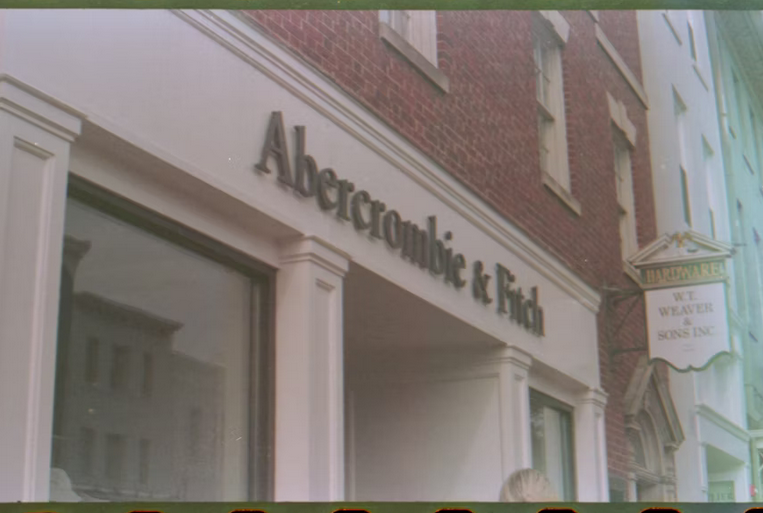
Ever wonder why every Abercrombie & Fitch smells the same, even from 30 feet away? That’s no accident. Brands like A&F, Westin Hotels, and even Subway have used signature scents to reinforce their identity and keep customers coming back. When you create a consistent olfactory experience, you’re essentially building a scent logo—something customers associate with your brand long after they’ve left the space.
Scent Can Shape Customer Behavior
The right scent doesn’t just enhance the vibe—it can influence how people behave. Research has shown that certain scents can encourage people to linger longer, feel more relaxed, or even spend more money. For example, citrus scents can make a space feel clean and energetic, while vanilla can create feelings of warmth and trust. It’s subtle, but powerful—kind of like emotional interior design.
It Works Online Too (Sort Of)

Okay, you can’t literally send smells through a screen (yet), but you can use scent associations in your storytelling. For product-based businesses, describing scent vividly in product descriptions or social content can create a sensory experience that sticks. For physical goods like candles, perfumes, or even food, scent-based copywriting can be the difference between “maybe later” and “add to cart.”
Scent Is Part of the Experience Economy
In 2025, brands are competing on experience, not just product. People don’t want to just buy things—they want to feel something. Scent helps fill in the gaps and create multi-sensory environments that make your brand memorable. Whether you’re running a boutique, a coffee shop, or a pop-up event, scent can elevate the entire experience and give people something to talk about (and come back for).
Scent might be invisible, but its impact is impossible to ignore. In a marketing landscape saturated with noise and pixels, smell is a surprisingly intimate, emotional, and effective way to stand out. It’s not just about making things smell good—it’s about creating an atmosphere that makes people feel good. And when people feel good, they engage, connect, and convert.…

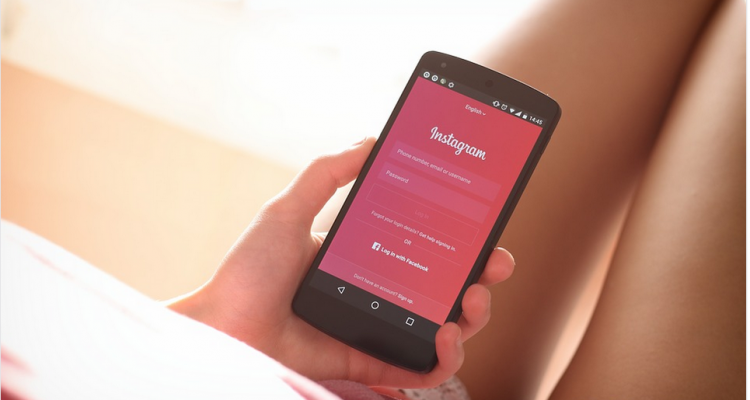
 You do not want to spend your bucks and not have the ability to track things. Fortunately, with Instagram, you can track sales and leads through Instagram ads enabling you to see your return on investment (ROI). Although this benefit of the platform may seem obvious, you could be highly surprised to know that so many companies invest in advertising on platforms but do not measure its effectiveness. Given Instagram uses a similar Ads Manager platform like Facebook, it comes with all the tracking features as Facebook.